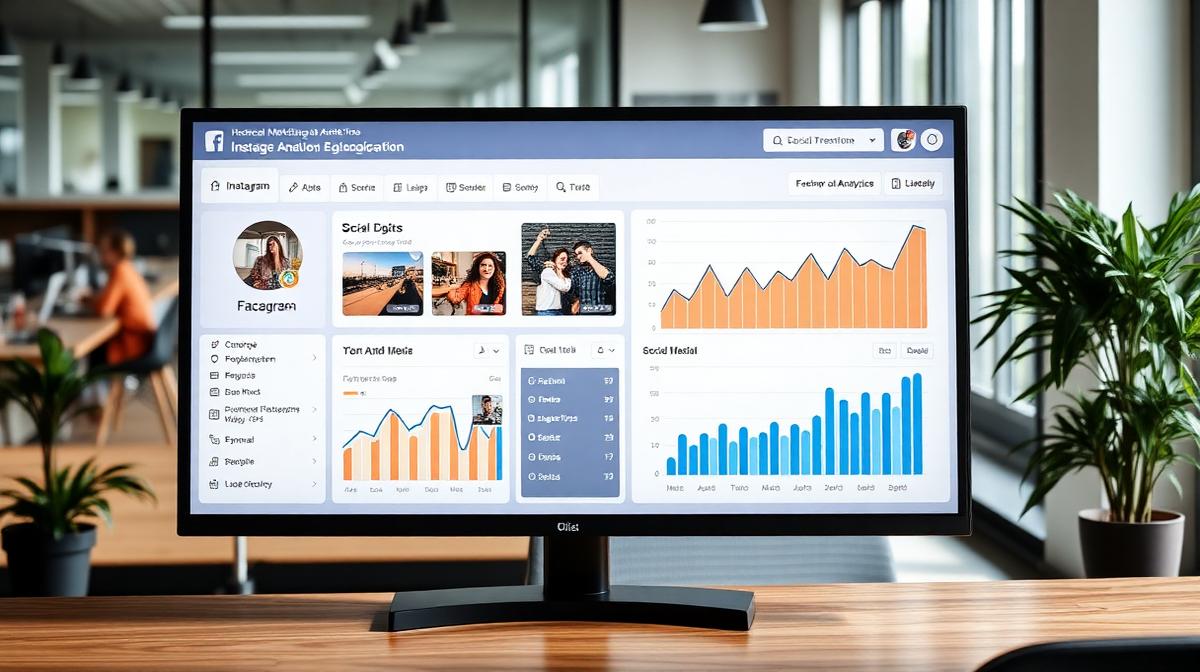
The transition from 2024 to 2026 has marked the most significant shift in social media history: the complete pivot from social graphs to interest-based recommendation engines. For brands, this means that the number of followers you have in your database matters significantly less than the quality of the first three seconds of your video. Instagram Reels has evolved into a sophisticated machine that no longer prioritizes who you know, but rather what you want to see next. Navigating this landscape requires a departure from traditional 'aesthetic' posting in favor of high-velocity, high-retention content that satisfies the platform's increasingly sensitive Generative AI filters. As businesses fight for visibility in a crowded feed, understanding the technical mechanics behind the 2026 algorithm is the only way to ensure a return on ad spend and organic effort.
The Three Pillars of the 2026 Reels Algorithm
In 2026, the Instagram algorithm operates on three distinct signals that determine whether a Reel is pushed to a wider audience or buried in the feed: Semantic Relevance, Watch Time Velocity, and Conversational Depth. Semantic Relevance is perhaps the most critical; the platform now uses advanced multimodal AI to 'watch' your video, transcribe your audio, and categorize the visual elements without needing a single hashtag. If your content doesn't clearly signal its niche within the first 45 frames, the system struggles to categorize it for the Explore page. Watch Time Velocity refers to the speed at which users reach the 75% completion mark, while Conversational Depth measures the quality of the comments—specifically, whether users are tagging others or starting multi-reply threads.
- Watch Time Completion: The percentage of viewers who watch the video to the very last second.
- Initial Engagement Velocity: How many likes and shares occur within the first 10 minutes of posting.
- Share-to-Save Ratio: High shares indicate the content is viral, while high saves indicate it is authoritative and valuable.
- Audio Trend Alignment: Using 'Original Audio' that is currently being remixed by other high-authority creators.
- Direct Message Shares: The most heavily weighted signal in 2026, as it indicates 'dark social' value.
The Death of the Aesthetic Grid and the Rise of Raw Content
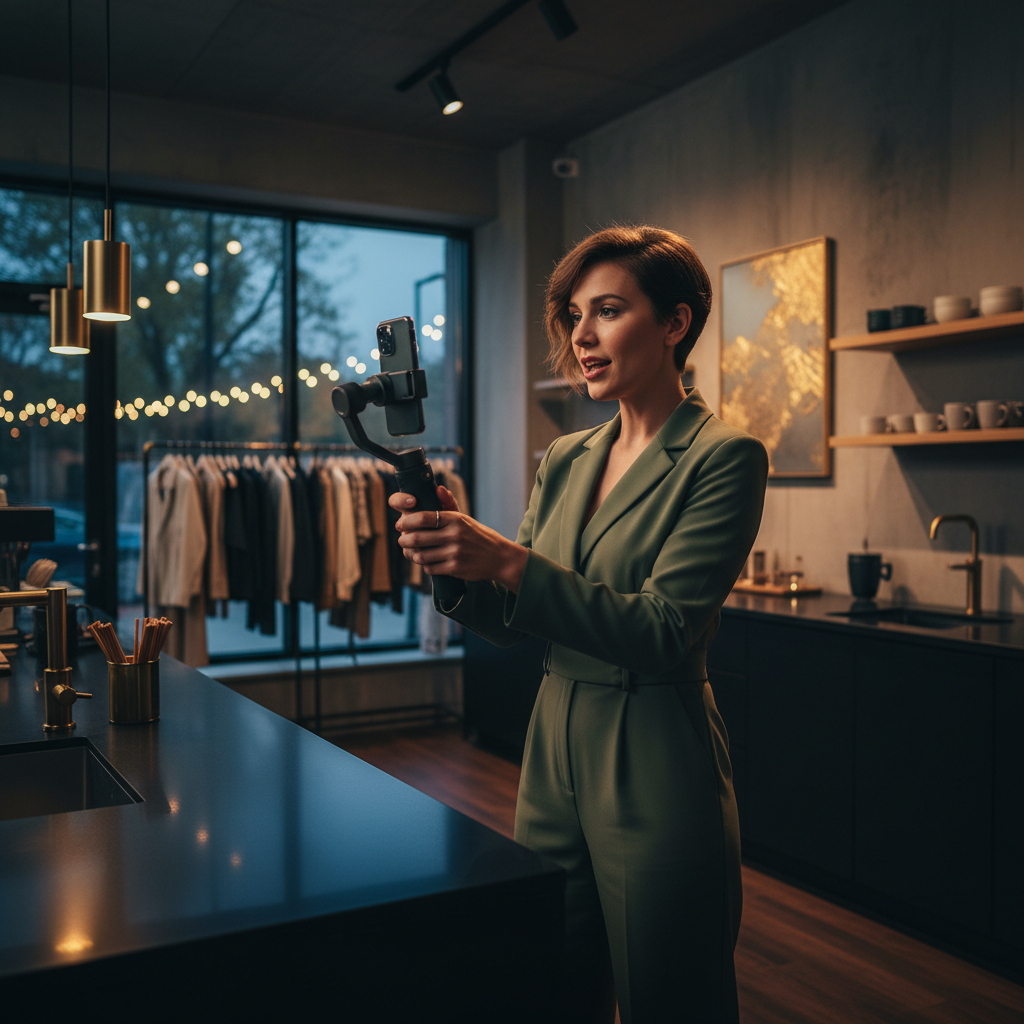
We have officially moved past the era of curated, perfectly color-coded Instagram grids. In 2026, users—and subsequently the algorithm—favor 'lo-fi' content that feels native to the mobile experience. High-production studio shoots often trigger 'ad blindness,' causing users to swipe away faster. Data from recent industry reports suggests that videos shot on a mobile device with natural lighting see a 40% higher retention rate than those with professional cinematic lighting and staged sets. This shift is particularly evident in how our digital advertising team approaches creative assets; we find that the more 'human' a brand appears, the more the algorithm treats its content as organic rather than commercial. People want to buy from people, not logos, and the current Reels algorithm is programmed to reward that human connection.
The Impact of Multimodal AI on Content Discovery
Instagram now uses deep learning models to perform real-time video analysis. This means the algorithm detects the products you are holding, the location you are in, and the tone of your voice. This is a massive shift for local businesses. For example, if you are a local service provider, the algorithm can now identify your location through visual cues and landmarks, serving your content to local users even if you forget to geo-tag the post. This is where Visionation's GEO & LLM Optimization service becomes a critical component of a social strategy. By ensuring your visual and audio cues align with your local search data, you create a feedback loop that reinforces your authority in a specific geographic area. The algorithm is no longer just looking at metadata; it is looking at the actual reality represented in your frames.
The secret to 2026 viral success is not the hashtag; it is the visual vocabulary of your first three seconds. If the AI cannot categorize your intent instantly, it will never show your content to the people who care most about it.
Optimization Strategies for Maximum Retention
Retention is the only currency that truly matters on Reels in 2026. A 60-second video that loses 80% of its audience at the 5-second mark is a failure in the eyes of the algorithm. To combat this, creators are using 'micro-hooks' every 7 to 10 seconds. This might be a change in camera angle, a text overlay that appears and disappears quickly, or a sudden shift in audio. Furthermore, the use of 'looping'—where the end of the video seamlessly transitions back to the beginning—remains a top-tier tactic for inflating watch time metrics. When a user watches a video 1.5 times, the algorithm perceives the content as twice as valuable, triggering a push to the 'Suggested for You' feeds of non-followers.
- The 0-3 Second Hook: Use a visual pattern interrupt or a controversial text-on-screen statement.
- The 3-10 Second Context: Quickly establish why the viewer should care and what value they will receive.
- The 10-30 Second Payload: Deliver the core information, humor, or entertainment promised in the hook.
- The 30-45 Second Engagement Trigger: Ask a specific, easy-to-answer question to encourage comments.
- The 45-60 Second Transition: Use a seamless loop or a direct call-to-action that leads to your profile.
Integrating CRM Data with Social Strategy
One of the most overlooked aspects of a modern social strategy is the bridge between social engagement and customer relationship management. In 2026, savvy brands are using Reels to drive users into their automated funnels. By using keyword triggers in comments (e.g., 'Comment "LIST" for the PDF'), brands can move a casual viewer from an anonymous Instagram user to a lead in their database. This is a process we specialize in via Visionation's CRM implementation services. When you can track a follower from their first Reel view to their final purchase, you gain the data necessary to justify higher creative budgets for social media. The algorithm rewards brands that keep users on the platform, but your business needs those users to eventually move into your owned channels.
Leveraging Nano-Audiences for Massive Reach
Counterintuitively, the path to a million views in 2026 starts with a group of one hundred people. The algorithm now tests content in 'cohort bubbles.' First, it shows your Reel to a small group of people who have interacted with similar content. If that group responds well, it expands to a slightly larger, similar group. If your content is too broad, it fails to find a foothold in any specific bubble and dies. This is why niche-down strategies are more effective than ever. For industries like healthcare or legal, this means creating content that addresses highly specific pain points rather than general advice. Our SEO & SEM team often works in tandem with social teams to identify these high-intent topics, ensuring that the content we produce for Reels reflects what users are actually searching for in 2026.
Social media has shifted from a megaphone to a mirror. Each user's feed is a reflection of their immediate interests, and your brand must fit into that reflection without distorting it or feeling out of place.
Common Mistakes to Avoid in the Current Landscape
The most common mistake brands make in 2026 is repurposing content from other platforms with visible watermarks. Instagram's algorithm aggressively demotes content that contains watermarks from competing short-form video platforms. Additionally, over-using 'engagement bait'—such as 'Like this if you agree'—can now lead to shadow-demotion, as the AI identifies these as low-quality signals. Another pitfall is ignoring the caption. While the video is the primary driver, the 2026 algorithm uses the caption for SEO indexing. Treating your caption like a mini-blog post, complete with keywords and context, helps the multimodal AI confirm its categorization of your video. Also, avoid deleting and re-uploading videos that perform poorly; the system now tracks 'content fingerprints,' and re-uploads are often flagged as duplicate content, limiting their reach.
Conclusion: Adapting to the Future of Instagram
The Instagram Reels algorithm of 2026 is a complex, AI-driven entity that prizes authentic engagement and technical precision. Success no longer comes from 'gaming the system' with hacks or trending sounds alone; it comes from a holistic understanding of how content, data, and user behavior intersect. As the platform continues to evolve, staying ahead of the curve requires a commitment to testing, analyzing performance metrics, and being willing to pivot when the data suggests a change in direction. By focusing on high-retention storytelling and leveraging the power of AI-driven discovery, your brand can turn Instagram from a simple social gallery into a powerful engine for business growth and customer acquisition.
Navigating the complexities of modern social algorithms requires more than just creative flair—it requires a data-backed strategy that integrates with your entire marketing ecosystem. Whether you are looking to refine your content approach or build an automated lead-capture system through social channels, the team at Visionation is ready to help you optimize your digital presence for the future. Contact us today to discuss how we can align your social media efforts with your broader business goals.