Most digital marketing efforts suffer from a leaky bucket problem. Research suggests that approximately 97% of first-time website visitors leave without making a purchase or submitting a lead form. Without a sophisticated retargeting strategy, that initial traffic investment is effectively wasted. Retargeting, or remarketing, is the process of serving targeted advertisements to users who have previously interacted with your brand, keeping your business top-of-mind during the decision-making process. By shifting the focus from broad awareness to high-intent re-engagement, brands can see conversion rates increase by up to 150% compared to standard display campaigns. This playbook outlines the technical infrastructure and creative frameworks required to transform passive browsers into loyal customers across the modern digital landscape.
The Technical Foundation: Tracking and Tagging
Before launching a single ad, your technical ecosystem must be airtight. Relying solely on basic pixel tracking is no longer sufficient in a privacy-first world dominated by ITP (Intelligent Tracking Prevention) and the phasing out of third-party cookies. To ensure data accuracy, businesses must implement Server-Side Tracking. This method sends data directly from your server to the advertising platform, bypassing browser-based limitations and improving site speed. Our website development team emphasizes that a clean data layer is the difference between an ad that finds a previous shopper and an ad that irritates a stranger. Furthermore, integrating your CRM data allows for 'Customer Match' lists, which target users based on their email or phone number rather than just cookie history.
- Google Tag Manager (GTM) implementation for centralized script management.
- Conversion API (CAPI) setups for Meta and TikTok to recapture lost signal.
- Enhanced Conversions in Google Ads to improve attribution modeling accuracy.
- User ID tracking to bridge the gap between mobile app usage and desktop browsing.
- Global Site Tags with specific 'event' parameters for high-value actions like 'Add to Cart'.
Segmentation: Moving Beyond 'All Website Visitors'
The most common mistake in retargeting is treating every visitor as a monolith. If you serve the same generic brand awareness ad to a person who read one blog post and a person who abandoned a $500 shopping cart, you are wasting spend. Effective segmentation categorizes users by their 'intent signal' strength. For example, users in the healthcare industry looking for specialized services require HIPAA-compliant messaging that addresses privacy and trust, whereas a retail shopper responds better to dynamic product galleries. By creating distinct audiences based on time-on-site, page depth, and specific URL patterns, you can tailor the creative to the user's current stage in the buyer journey.
- Cart Abandoners: Users who initiated checkout but didn't complete the transaction (highest intent).
- High-Value Page Visitors: Users who visited pricing pages or 'Request a Quote' forms.
- Recent Non-Converters: Visitors from the last 3-7 days who stayed on site for more than 60 seconds.
- Past Purchasers/Clients: Existing customers who are eligible for upselling or seasonal renewals.
- Content Consumers: Users who spent significant time on long-form educational guides or case studies.
The Psychology of the Ad Creative
Retargeting ads should not just repeat what the user saw; they should solve the reason the user left. If a user abandoned a cart, perhaps they were concerned about shipping costs or needed a final nudge of social proof. Your creative should rotate through different 'refutation' angles. We recommend a three-pillar rotation: social proof (reviews and testimonials), scarcity (limited time offers), and value (educational content or unique selling propositions). Visionation’s digital advertising experts often utilize dynamic creative optimization to automatically swap headlines and images based on what the algorithm predicts will resonate best with a specific user profile.
A strategic retargeting campaign doesn't just ask for the sale again; it addresses the friction that caused the initial bounce, turning hesitation into confidence through hyper-relevant messaging.
Omnichannel Orchestration: Google, Meta, and Beyond
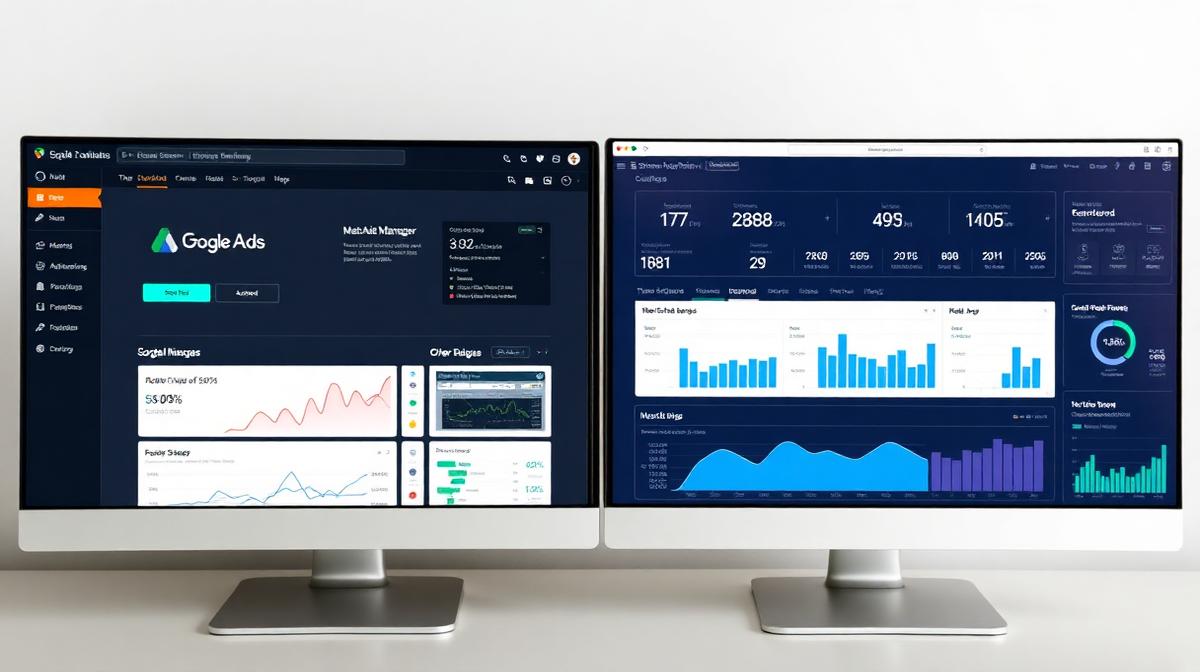
A truly effective playbook requires a cross-platform approach. This does not mean duplicating the same ad everywhere, but rather using the strengths of each platform. Google Display Network (GDN) is excellent for broad reach and low-cost frequency. Meta (Facebook and Instagram) excels at visual storytelling and high engagement. For B2B brands, LinkedIn retargeting allows for granular professional filtering, ensuring your ads appear only to decision-makers within specific companies. Emerging channels like GEO and LLM optimization are also becoming critical; as users turn to AI search tools for recommendations, appearing in the 'cited sources' or 'suggested services' requires a different kind of visibility management that supports your traditional paid efforts.
Dynamic Remarketing: The Power of Personalization
For e-commerce or large-scale service businesses, manual ad creation for every product is impossible. Dynamic Remarketing uses a product feed to automatically show the exact item a user was viewing. If a visitor looked at a specific pair of boots on an e-commerce site, the ad they see on Instagram or a local news site will feature those exact boots. According to industry benchmarks from Google, dynamic ads can generate a 2x higher click-through rate compared to static remarketing because the relevance is undeniable. This level of automation ensures that your ad spend is always directed toward the most relevant products for each individual user.
Optimizing for the Post-Click Experience
Sending a retargeting click back to your homepage is a recipe for failure. The landing page must be a direct continuation of the ad's promise. if your retargeting ad offers a 10% discount to return to the site, that discount should be automatically applied or prominently displayed on the landing page. We often see significant ROI improvements when campaigns are integrated with a robust CRM system. This allows the sales team to see which retargeting ads a lead interacted with before they called, providing valuable context for the sales conversation. In industries like home services or legal, where the lead cycle is longer, this synchronization between marketing and sales is what ultimately drives revenue rather than just 'clicks'.
Frequency Caps and Burn Lists: Protecting Your Brand Sentiment
There is a fine line between persistent and annoying. Over-serving ads to the same user leads to 'banner blindness' and, in worse cases, brand resentment. Frequency capping limits the number of times a user sees your ad within a 24-hour period. Equally important is the 'burn list'—an exclusion list of users who have already converted. There is no faster way to lose a new customer's trust than by showing them an ad for a 20% discount on a product they just bought at full price yesterday. Excluding recent converters ensures your budget is reserved for new opportunities while maintaining a professional brand image.
The future of advertising is not more data, but better data. Success in retargeting today requires a blend of technical precision, creative empathy, and strategic cross-platform placement to meet the consumer wherever they are in their journey.
Measuring Success Beyond the Click
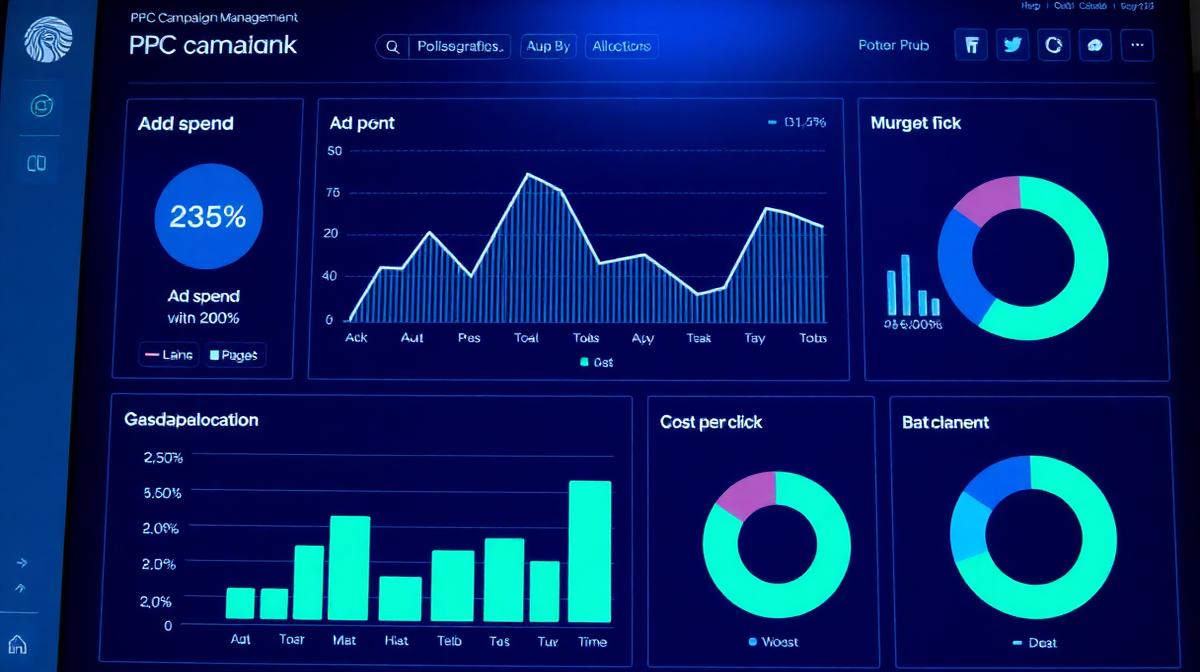
Attribution is the final piece of the playbook. Standard 'last-click' attribution often fails to give retargeting the credit it deserves, as it often assists a conversion that technically happens via direct search or a different channel. Utilizing 'view-through' conversion data—which tracks users who saw an ad, didn't click, but returned to the site later to buy—provides a more holistic view of your campaign’s impact. By analyzing the path to conversion through diverse data points, you can accurately scale the campaigns that are driving the highest lifetime value. Scaling your digital strategy requires a partner who understands these nuances and can navigate the complexities of modern ad algorithms. If your current advertising efforts are stalling, contact Visionation for a consultation to see how a bespoke retargeting framework can recover your lost leads and maximize your marketing ROI.